Manage everyday aviation operations better

Improve your customer experience.
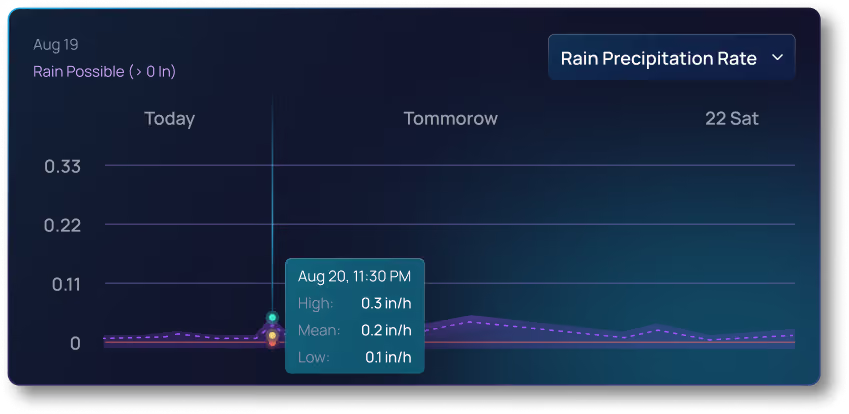
Keep customers and staff safe.
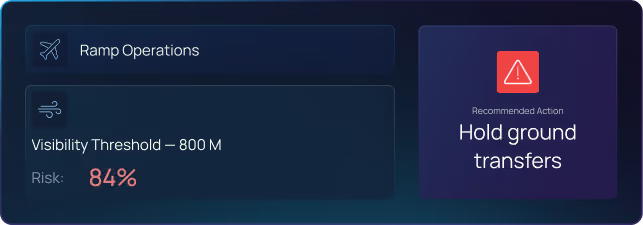
Find new revenue streams.
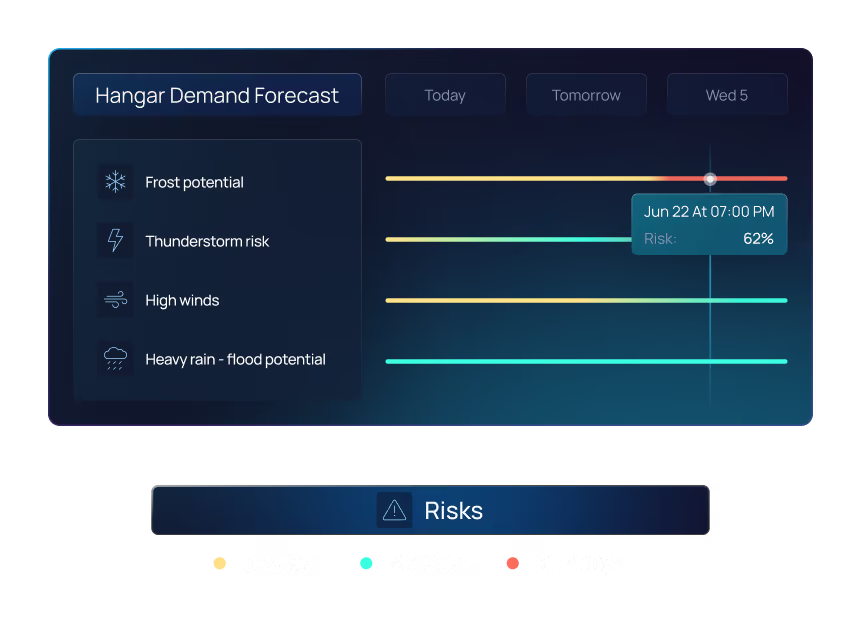
Reduce weather delays.
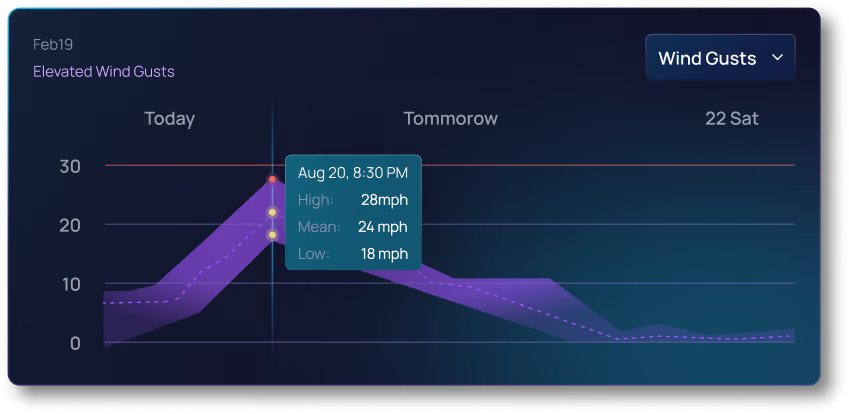
Keep staff safe.
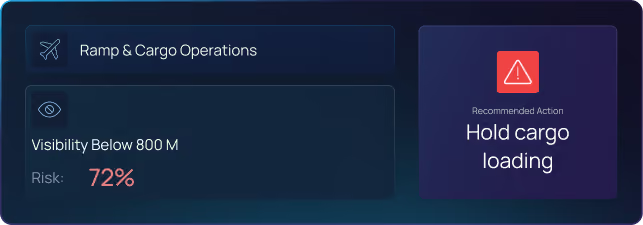
Make go/no-go calls confidently.
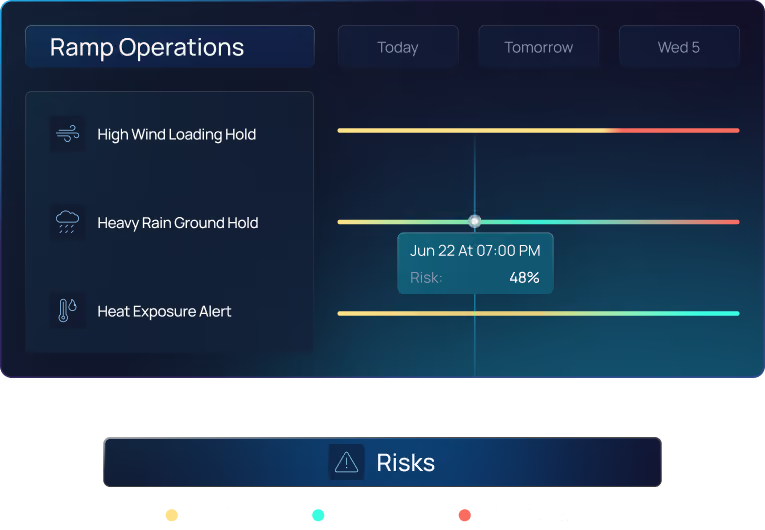
Luxury customer experience.
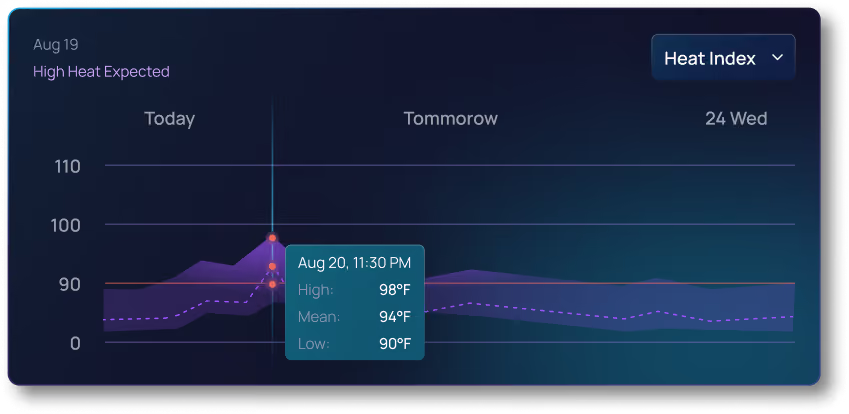
Keep customers and staff safe.
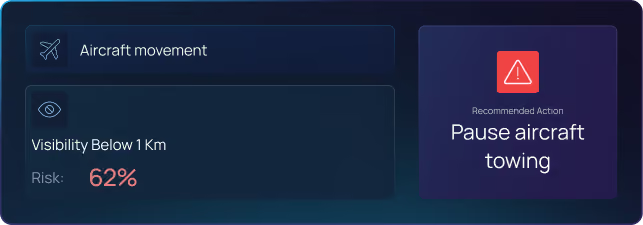
Reduce unnecessary delays.
Trusted by industry leaders

“Nexus identified developing thunderstorm activity with the clarity and speed we needed, allowing us to adapt our planning, minimize disruption, and keep the operation moving efficiently. The platform’s detail, accuracy, and situational awareness give us greater confidence in an environment where every decision counts.”
Lewis Ingles

"From the onset of our first meeting, I could tell Nexus was determined not only to improve forecast accuracy, but also to remain ahead of quickly advancing and evolving forecast techniques."

Craig Setzer


The Nexus forecasting
system
Frequently asked questions

Nexus combines reliable global forecasts, NWS-approved models, AI, and local weather sensors to better predict specific microclimates within a single location. For example, the Nexus platform can give you a micro-forecast for a windy terminal because it's located in a valley; a humid hangar because there is a swamp to one side of the airport; and anywhere else at the airport so you can make better weather decisions.
The Nexus platform forecasts many types of weather events, both common and uncommon, including: sea fog, ice, wind, heat index, wildfire smoke impacts, and IFR/VFR gradients.
As with all decisions, it is calibrated to your decision thresholds. For example, an aviation customer is using a dew point depression < 3°F with 60%+ humidity to determine frost probability. Because hangar space costs $200–$1,000+, a confident overnight call has direct dollar value.
Yes, we cover weather globally, including oceans, at ~1 km.
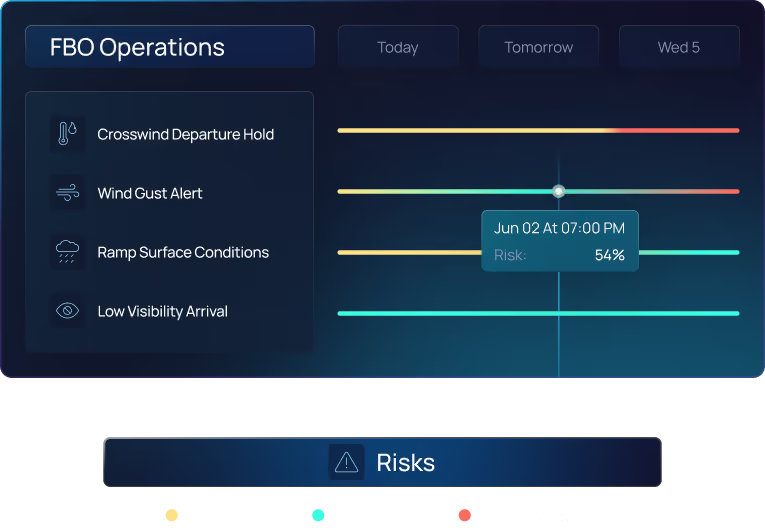
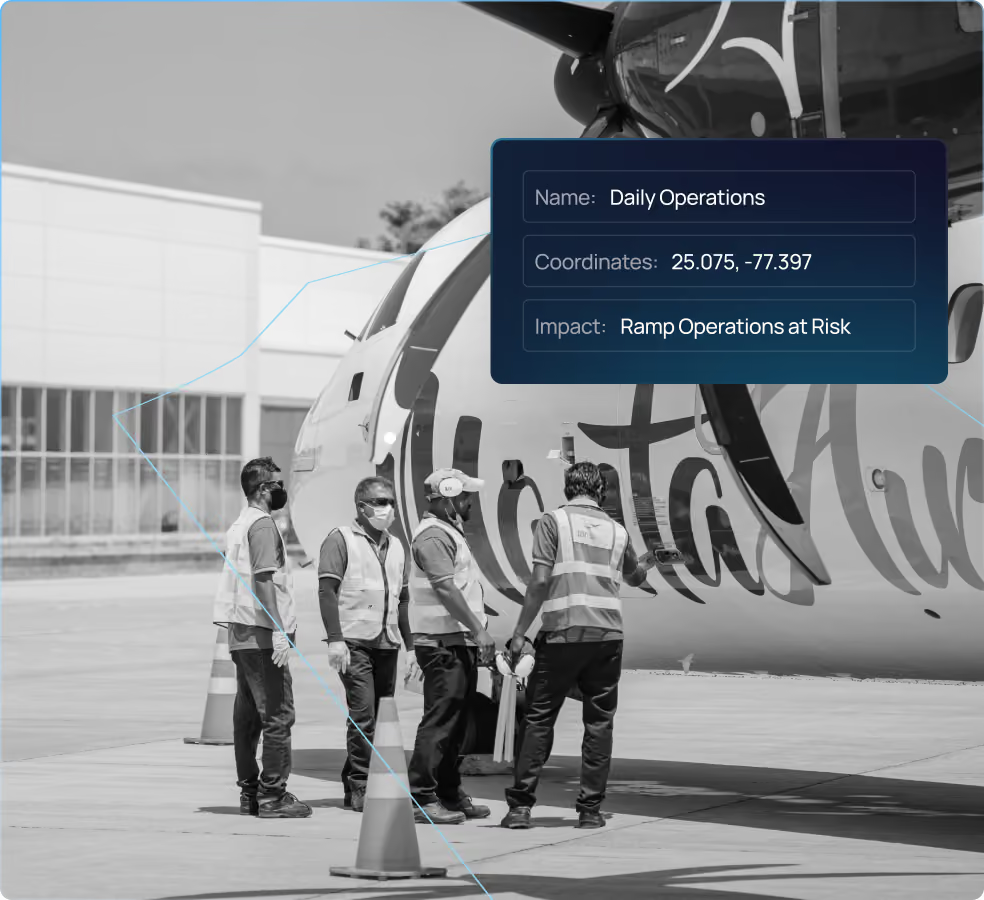
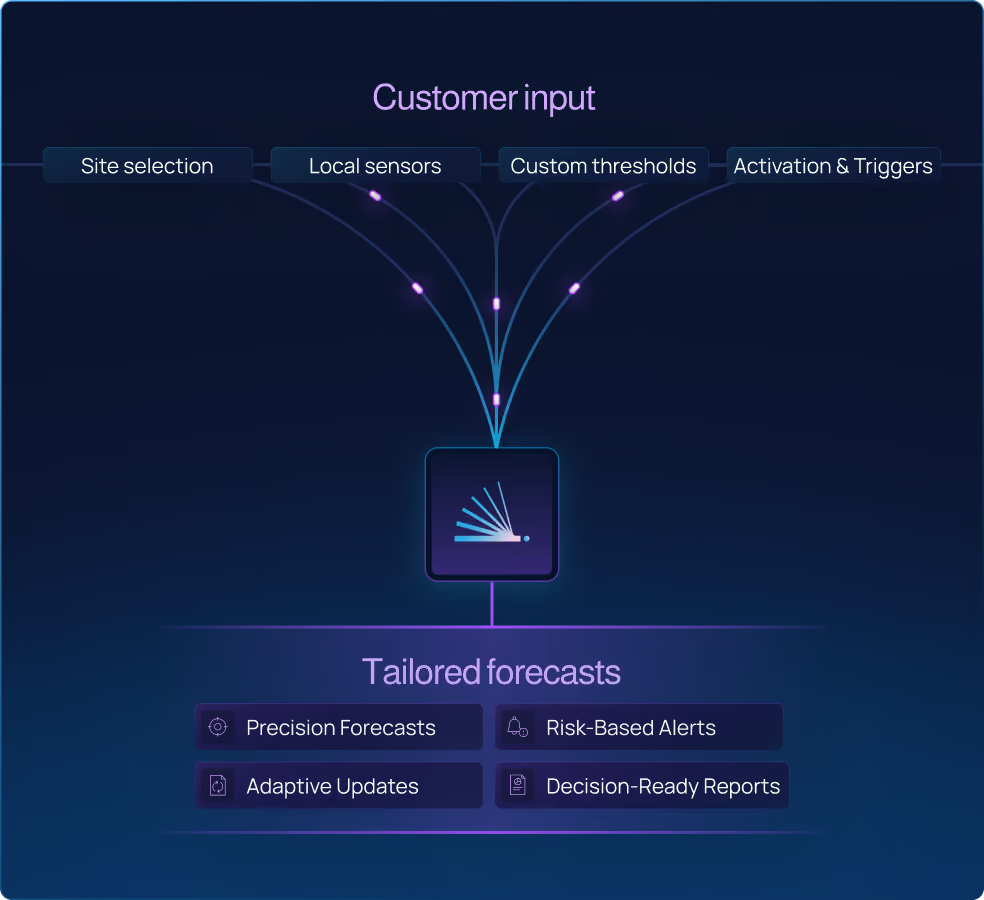
The Nexus platform allows you to set impacts of weather conditions on your operations so you can make safety decisions based on your specific protocols and thresholds. Your team will be sent alerts when weather forecasts exceed safety thresholds, so you team can be confident in go/no-go decisions.
Fully customisable, with AND/OR logic across parameters, and the system calculates the joint probability of all conditions occurring together or separately. For example:
Frost/black ice: air temp <34°F AND wet bulb <32°F AND visibility <3 miles
Water pooling: precip rate >5 mm/hr OR accumulation >15 mm
Thunderstorm potential: CAPE index AND relative humidity at height AND temperature AND precipitation
The dashboard has expandable layers: surface-level red/yellow/green for the operator, with progressively more technical depth underneath for the meteorologist.
Yes — the green/yellow/red bands are configurable per organization. Observed range across the customer base: some customers trigger yellow at 0–1%, others as high as 50%.
Assets can be activated and deactivated. Build a full winter library and a full summer library once, then toggle. You only pay for what's live, and no forecast is computed until an asset is activated.
The dashboard has expandable layers: surface-level red/yellow/green for the operator, with progressively more technical depth underneath for the meteorologist.
Nexus does the initial setup. A solutions engineer builds out every dashboard during onboarding. We are developing automated onboarding that is a combination of a base template for your industry and an AI agent and a solutions engineer will help you refine for your specific operation.
Configurable by asset, lead time, and confidence threshold — e.g. "alert me when you're 80% confident, no earlier than two hours out." Delivery windows can be set (8am–8pm only), tied to shift schedules, and tiered by role: management at 30%, operators at 60–70%. One customer configured midnight–5am alerts to fire only above 90% confidence.
Alert fatigue is real. The answer is confidence-gating and thresholding: alerts fire against your operational threshold at your confidence level, not against generic consumer products or broad weather service thresholds. With Nexus, you only get alerts when it really matters.
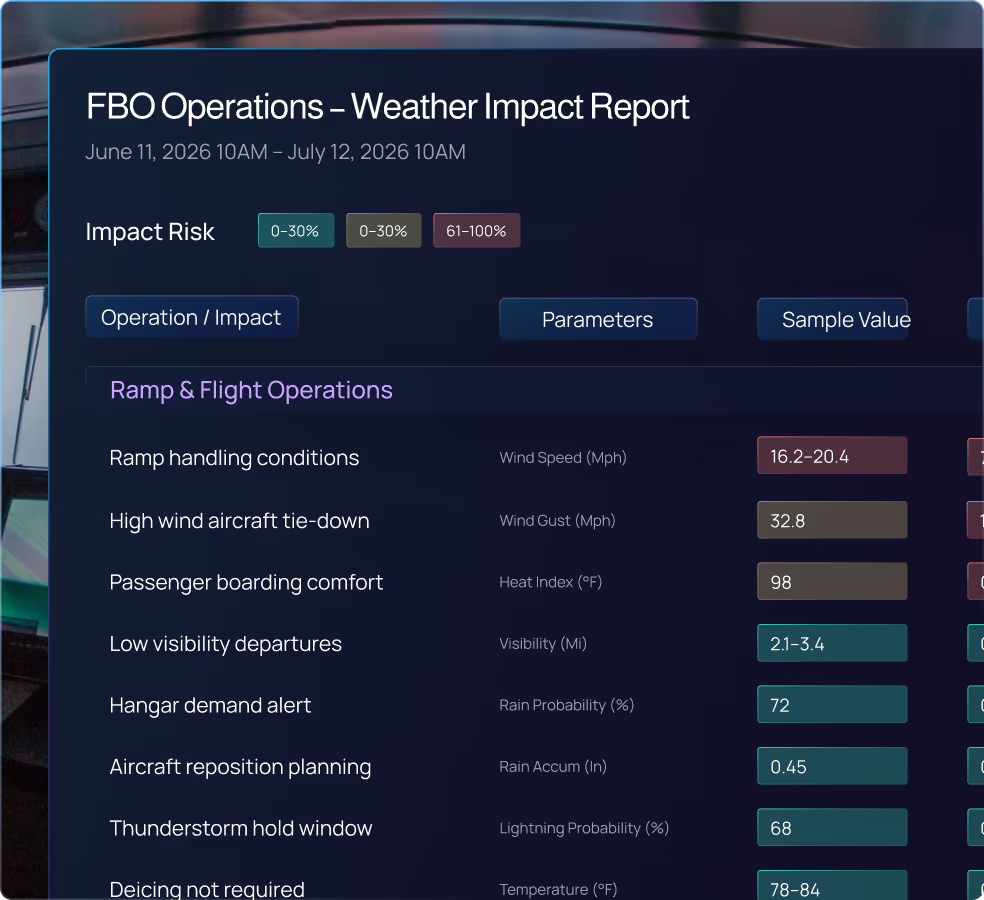
Yes, we offer automated PDF ops reports, emailed to user groups on a schedule (e.g. delivered at 8:45am so it's in the inbox at 9). Typical format: 48-hour colour-coded stoplight chart plus hour-by-hour operational detail. Reports can also be tailored per audience or you can send a one-time on-demand report.
Yes. iOS and Android both live in their stores as of July 2026 and all Nexus customers have access to the app.
Start managing
every day better